
What is Neurofeedback?
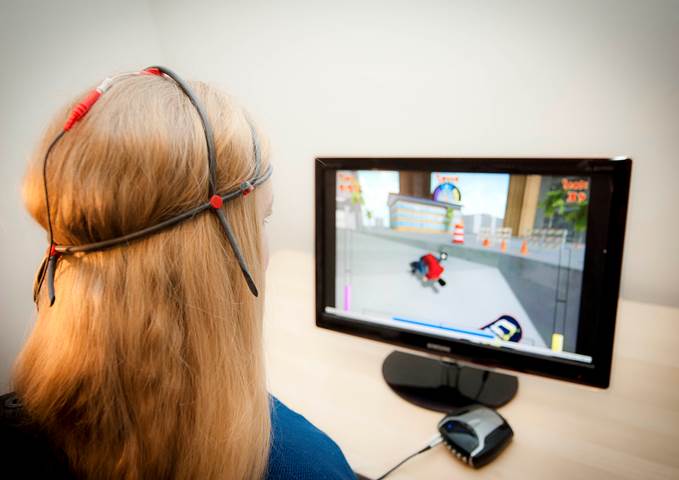
Neurofeedback is a way to visualize the brain’s electrical activity in order to teach the brain to regulate itself in a better way than it did before. By giving the brain feedback on its own activity, it is possible to train it to work in more healthy flexible working patterns.
NEUROFEEDBACK and Neuroplasticity
Our brain rebuild itself and create new communication patterns throughout our whole lives through neuroplasticity. In neurofeedback, we give the brain information about its own activity and this strengthens its own ability to self-regulate and rebuild itself. When the brain sees its own activity, it gets completely new possibilities to correct the patterns that may not function optimally today.
Neurofeedback Working areas
Better focus, better impulse control, better emotional regulation and greater stress management skills are some of the things neurofeedback training can contribute to. This practice is increasingly used in elite sport and has also proven to be effective for people with concentration problems. The field of research also provides support for the positive effects in a number of other areas.
Improvments from NEUROFEEDBACK training
Better focus, better emotional regulation, better impulse control and greater stress management capability are some examples of what neurofeedback training can help with. This form of training is increasingly used by elite athlets and has proven to be effective improve focus. The research field supports positive effects in a number of other areas. You can read more about this at The International Society for Neurofeedback and Research (ISNR) website where they provide a list of some of the published articles in the field . )
What can a neurofeedback program look like?
INTRODUCTION SESSION
The first step is to book an introduction session. Before the first session, questionnaires are mailed out to the client that we will go through the first session. The introduction session is about getting to know each other, I (Arne) goo through ethical guidelines. We do a first EEG measurement called ClinicalQ. This measurement is based on five points on the head. Then the client get to answer several questions based on the data we see. The clients also gets to try out one neuyofeedback training protocol to get the feeling what neurofeedback is about. After the introduction, we will make a joint decision if we go ahead and plan a neurofeedback program.
NEUROFEEDBACK PROGRAM
You can then book in sessions in 5 or 10 packages. During these sessions, sensors are set on the client’s head and information is sent to a computer. Different training protocols are presented to the client. Based on the client’s reactions, we make small changes. Various exercise are performed.
practitioner and client Working relationship
As a neurofeedback practitioner, I’m an expert on neurofeedback, but you as a client are an expert on yourself and your reactions. We work together to create the best possible conditions for good training. The neurofeedback training can make the body system calm down which often opens up for the opportunity to get in contact with emotions in a new way. My role is to create a safe environment where the client has the opportunity to share his experiences of the training.
RECOMMENDED NUMBER OF NEUROFEEDBACK SESSIONS
Neurofeedback learning is individual where some may feel positive changes after the first session, while it takes longer time for others. Research studies have reported that there are some individuals who have a hard time learning neurofeedback training. At the same time, there are those who respond very well and are experiencing positive effects from day 1. I recommend going through at least 20-30 sessions to achieve good stable results although solid positive results can be achieved earlier than that. The number of sessions recommended depends greatly on the type program we do choose to follow.
MINDFULNESS OCH NEUROFEEDBACK
Mindfulness and neurofeedback training can by themself contribute to very positive development for the client, but together additional synergy effects can be won . Clients wishing to combine mindfulness and neurofeedback can advantageously book a double session. If you book such a session, it will include a 20-minute break between the sessions where we are able to speak more about mindfulness. Neurofeedback training can then also strengthen the client’s own ability be mindful.
LONG distance NEUROFEEDBACK
It is possible to complete the training even if you live in a different location than Gothenburg. An appreciated approach is double passes. This means that we train the neurofeedback session (50 minutes) two times with a break in between. There are also good hotels and hostels nearby for those who want to work out two days after the other.
Try out neurofeedback
It’s easy to contact us and set up a meeting to try out neurofeedback. During the first session we will go through what neurofeedback is review ethical guidelines. Then based on this intake information we can together discuss is neurofeedback is something for you.
Here you can book an appointment to test the neurofeedback training.